


Category Page SEO Strategy for Enterprise Ecommerce: Drive Traffic, Rankings, and Revenue at Scale
For enterprise-level online stores, category pages are the true revenue drivers of organic search. While product pages capture highly specific searches, category pages rank for broader, high-intent commercial queries that generate consistent traffic and conversions. A well-structured Category Page SEO strategy allows large ecommerce brands to compete for competitive keywords, strengthen site authority, and scale organic growth sustainably.
However, many ecommerce businesses overlook category optimization. Thin content, poor internal linking, duplicate filter URLs, and weak metadata often prevent category pages from reaching their full ranking potential. A structured and data-driven approach ensures your category pages become powerful search assets rather than underperforming landing pages.
Target High-Intent Commercial Keywords
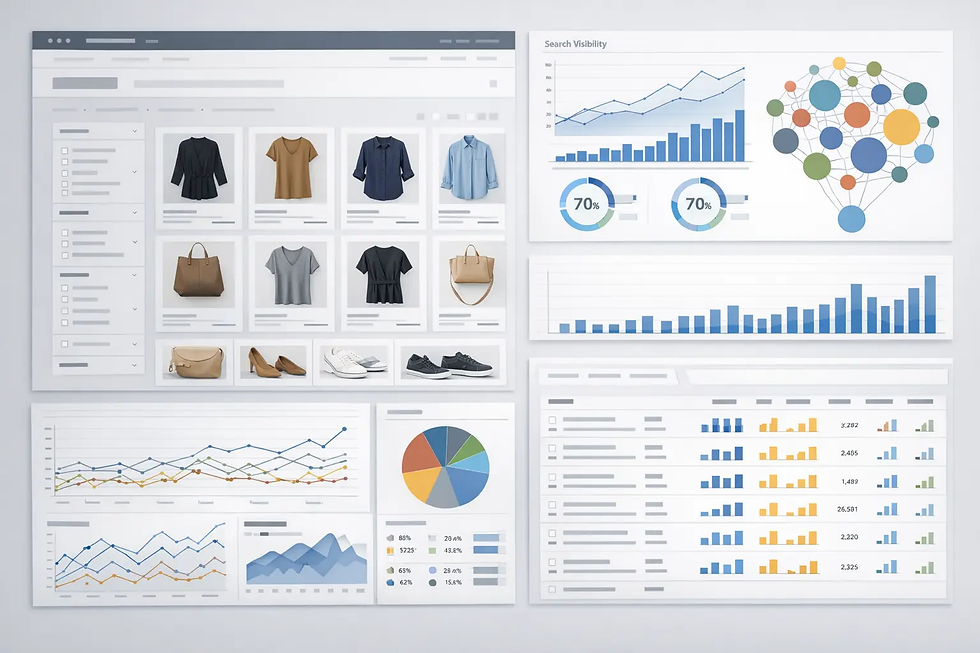
Effective Category Page SEO begins with strategic keyword research. Category pages should target commercial and transactional keywords such as “buy running shoes online” or “best gaming laptops.” These keywords typically have strong purchase intent and higher conversion potential.
Focus on:
Primary category keywords
Secondary long-tail variations
Semantic and related search phrases
Buyer-intent modifiers like “best,” “top,” or “affordable”
Integrating these naturally into headings, product descriptions, and metadata improves search visibility without keyword stuffing.
Optimize Metadata for Higher Click-Through Rates
Your meta title and description are critical for standing out in search results. Include the primary keyword in the title while keeping it compelling and benefit-driven. A strong meta description should highlight product variety, pricing advantages, shipping benefits, or exclusive deals to encourage clicks.
Well-crafted metadata not only supports Category Page SEO but also improves CTR, which can positively influence search performance.
Enhance Content Depth Without Hurting UX
Many category pages lack meaningful content. Adding 300–500 words of relevant, helpful information improves topical authority and ranking potential. This content can include:
Product comparisons
Buying tips
Key features and benefits
FAQs related to the category
Place content strategically above or below product grids to maintain a seamless shopping experience while maximizing SEO value.
Strengthen Technical Foundations
Technical SEO plays a major role in category performance. Enterprise ecommerce websites often struggle with faceted navigation and filter-generated URLs. Without proper handling, these create duplicate content and crawl inefficiencies.
To maintain strong Category Page SEO, implement:
Canonical tags pointing to main category URLs
Noindex tags for low-value filtered pages
Clean pagination structure
XML sitemap prioritization
These technical optimizations ensure search engines focus on high-value pages.
Improve Internal Linking Structure
Internal links distribute authority and clarify content relationships. Link category pages from:
Homepage navigation
Related blog content
Subcategories
Best-selling product sections
Strategic linking strengthens ranking signals and helps search engines understand site hierarchy.
Focus on Performance and Mobile Optimization
Page speed and mobile usability directly impact rankings and conversions. Compress images, enable caching, and reduce unnecessary scripts to enhance loading speed. Ensure filters and sorting options function smoothly across devices to reduce bounce rates.
Final Thoughts
A data-backed Category Page SEO strategy is essential for large ecommerce websites looking to dominate competitive search results. By combining strong keyword targeting, optimized content, technical precision, and seamless user experience, category pages can generate scalable organic growth.
When executed correctly, category optimization transforms your ecommerce site into a high-ranking, high-converting digital storefront built for long-term success.


Comments